Introduction
William Ivens Craft arrived in a foreign nation when he joined his family in the United States. Yet he soon found himself at the center of a burgeoning African American political and social world in Washington, DC. He also tasted firsthand the bitter racism present in the new expanding federal state.
Old Friends and New
After ostensibly finishing their schooling in England, the two brothers left their home and traveled to the United States to join their family. On 3 March 1873, sixteen-year-old Brougham and eighteen-year-old William arrived aboard the ship Manitoba at Baltimore and set foot on American soil for the first time. They reported upon arrival that they intended to head to Savannah, most likely to join their family (“‘Manitoba’ Passenger List” 1873). What they found stood in stark contrast to their lives in London.
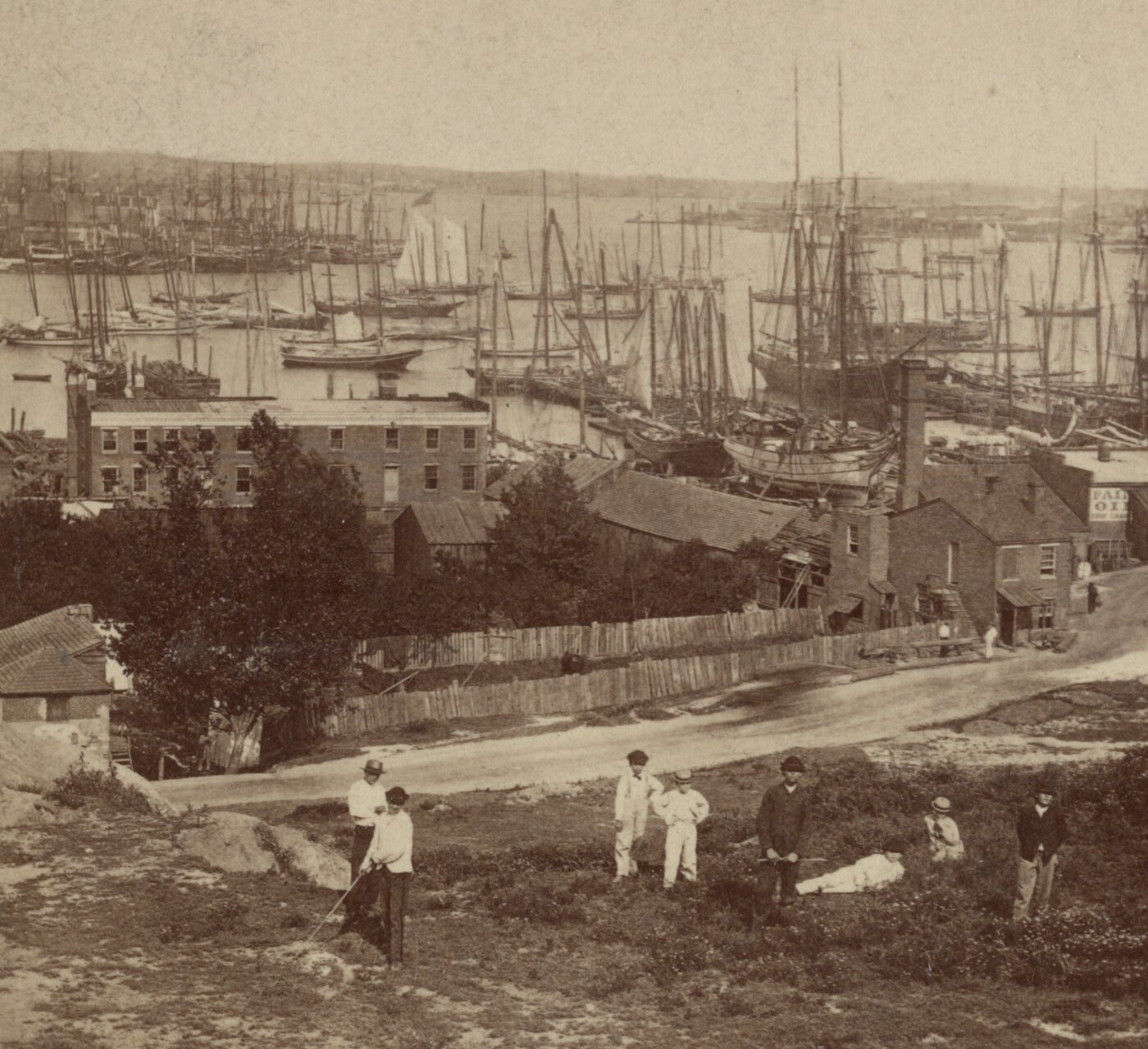
Bell & Bro., “‘Baltimore Harbor, Baltimore M.D.’” (Photograph, [1870]), STEREO U.S. GEOG FILE - Maryland--Baltimore--Harbor [item] [P&P], Library of Congress, Washington, United States. No known restrictions on publication. William Ivens and Brougham might have seen something similar to this view as they stepped down the gangplank and entered the US for the first time. They also for the first time likely encountered sizeable populations of free Black people in the city of Baltimore, which they stayed in only briefly before heading to the nation’s capital.
Despite listing their intended destination as Savannah upon their arrival in 1873, William Ivens and Brougham Craft, who both likely spoke with a British lilt, spent 1873 and early 1874 in the nation’s capital. Wendell Phillips – an old friend of Ellen and William and a well-known white abolitionist – recalled his encounter with William Ivens in early 1874. Though Phillips advocated full political and civil rights for Black men as well as land redistribution to newly freedpeople, the Craft brothers seemed not to conform to Phillips’ expectations for their behavior. Phillips was confounded by the fact that William Ivens was not in Georgia helping his father with the farming cooperative. The white Phillips accused William Ivens of “idling away his time [...] doing nothing and living on his friends” (Anonymous 1878g).
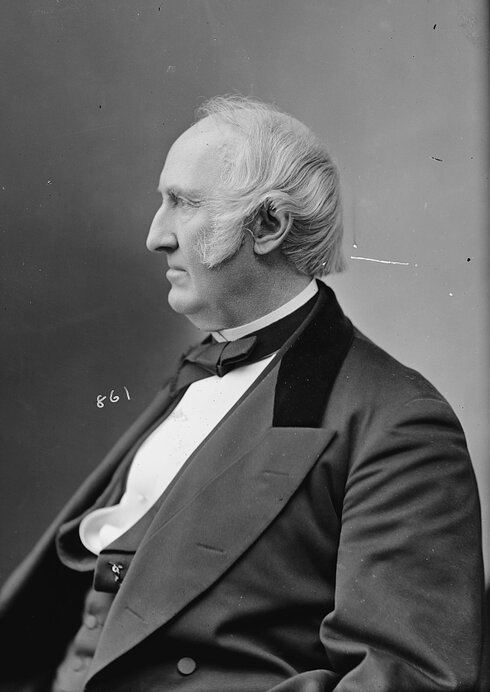
Anonymous, “‘Phillips, Wendell’” (Photograph, United States, [c.1870-1880]), Brady-Handy photograph collection, Prints and Photographs, LC-BH826- 861 [P&P], Library of Congress, Washington, United States. Public domain. Famed white abolitionist and orator Wendell Phillips aided William and Ellen Craft in their attempt to break free from slavery’s clutches in the 1840s. In 1849, he wrote: “future historians and poets would tell [the Crafts’ escape] story as one of the most thrilling in the nation’s annals, and millions would read it, with admiration of the hero and heroine of the story.” The Crafts even named their first son, Charles Estlin Phillips Craft, after the activist. However, in the 1870s, Phillips publicly derided the Craft family as lazy and deceptive.
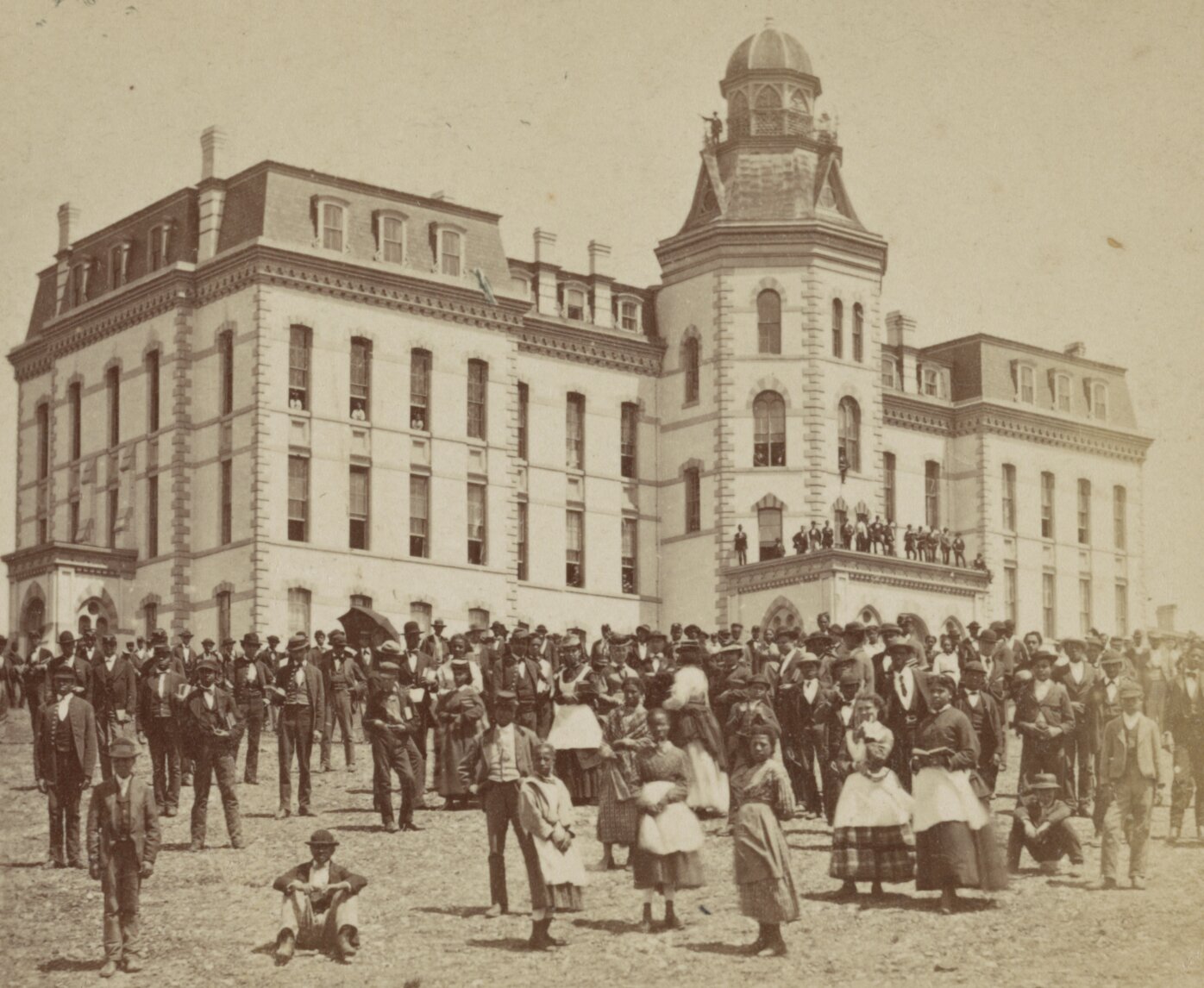
In contrast to Phillips’ calumny, however, William Ivens was gainfully employed as a messenger for the US government by the end of March 1874. He lived at 1416 I Street NW with his brother, Brougham, who continued his schooling and attended Howard University during their stay in the city (Anonymous 1878e; Davis 2021). The pair undoubtedly made new, and for the first time, American, friends.
The House on I Street
1416 I Street NW was somewhat of a hub for the burgeoning Black political elite in the early 1870s, and especially during the year that William Ivens and Brougham spent there. In 1871 the building was listed as a boarding house run by a man named John Browne (“Boyd’s Directory” 1871, 43). It was the place of residence of Josiah T. Walls, the first African American elected to Congress from Florida (and the last, until 1992). Walls served in the House of Representatives from 1871 to 1876.
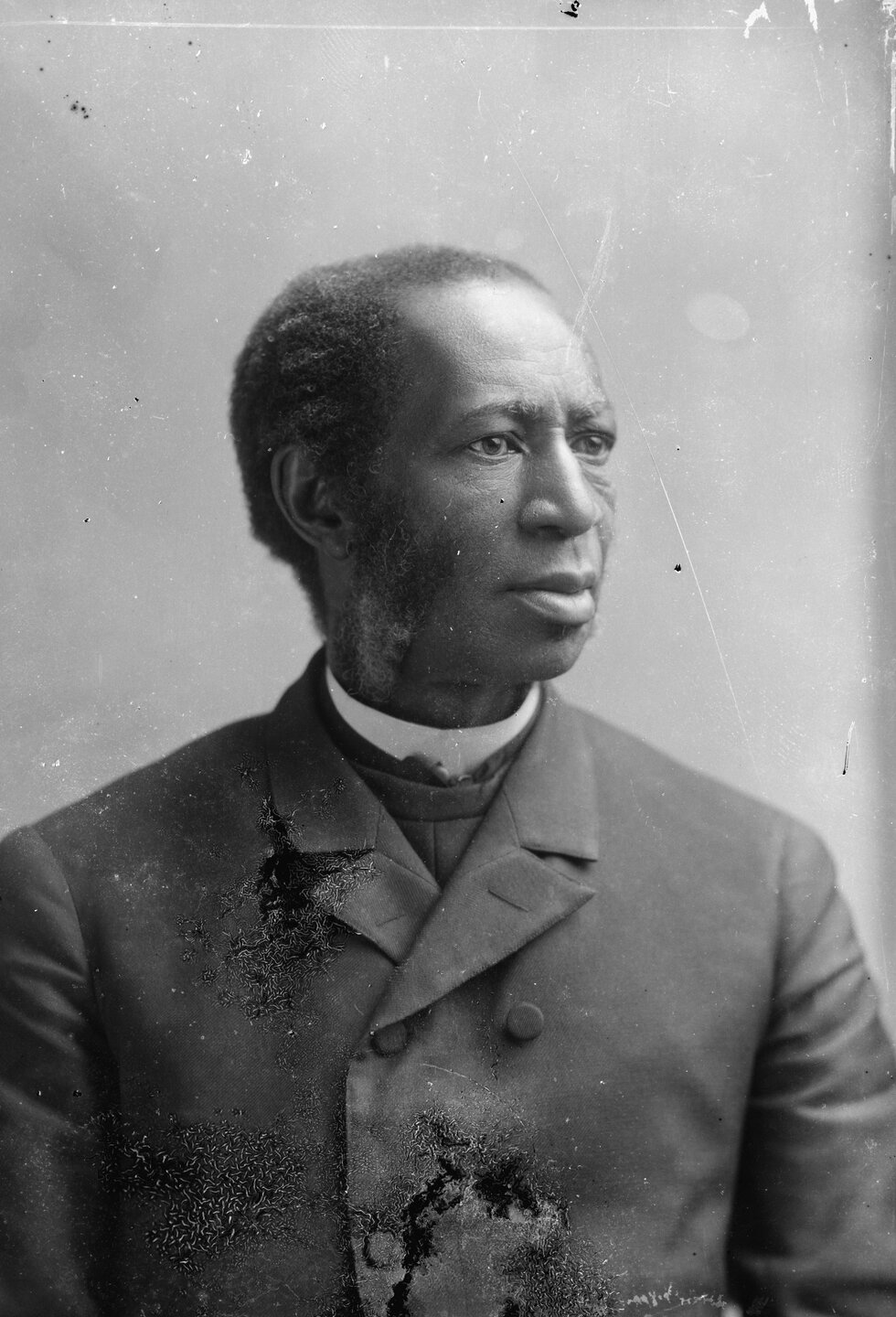
C. M. Bell, “‘Cain, Rev. R. H.’” (Photograph, [c.1874-1890]), Prints and Photographs Division, LC-B5- 27004 [P&P], Library of Congress, Washington, United States. No known restrictions on publication. The Reverend Richard H. Cain was just one of the many well-known and rapidly rising Black activists, politicians, and leaders that William Ivens likely encountered during his stay in Washington.
In 1874, the city directory also listed this address as the abode of Richard H. Cain, African American minister, activist, and US Representative from South Carolina. Mississippi Representative John R. Lynch, Ohio-born William H. J. Malvin, who went on to attend Howard University Dental College, and printer John A. Pierre, who later worked for the Treasury Department’s Bureau of Engraving and Printing also boarded at 1416 I Street during William Ivens’ stay (“Boyd’s Directory” 1874, 15; “Howard University” 1900, 273; “Boyd’s Directory” 1875, 353, 411; “US Treasury Register” 1879, 15).
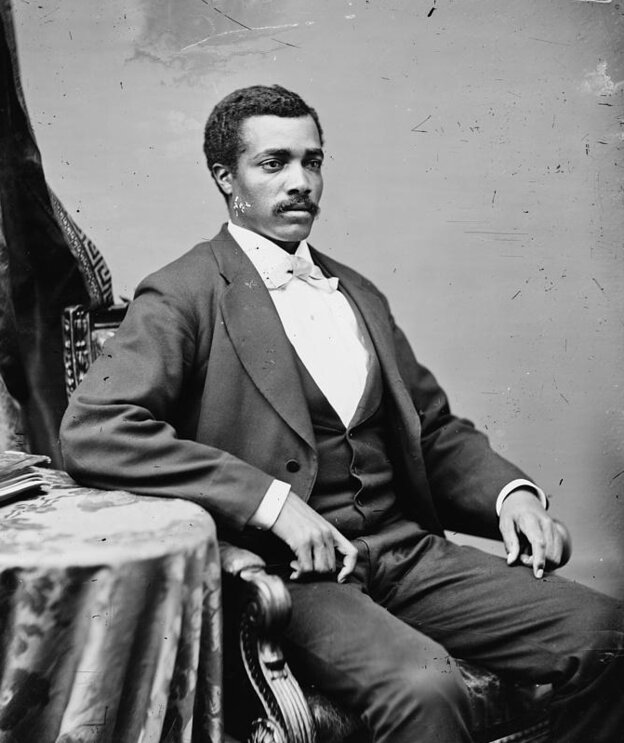
Brady-Handy Collection, “‘Hon. Josiah Thomas Walls of Florida’” (Photograph, [c.1860-1875]), Prints and Photographs Division, LC-BH83- 1815 [P&P], Library of Congress, Washington, United States. No known restrictions on publication. Josiah Thomas Walls also boarded in the same quarters as William Ivens. Whether he and William Ivens crossed paths is unclear, but it is likely that they moved in the same social, political, and intellectual circles.
Also at 1416 I Street lived another US Representative from South Carolina, Robert B. Elliott. Like William Ivens, pieces of Elliott’s biography are shrouded – due to a lack of extant paper documentation. Elliott was likely born in Boston in 1842 to parents who had moved there from the West Indies (although, some sources claim Elliott’s birthplace was England, near Liverpool, which would in fact make his story even more closely resemble that of the Craft children). He received his schooling at High Holborn Academy and went on to study law at Eton College, graduating in 1859 (Lamson 1973, 23).
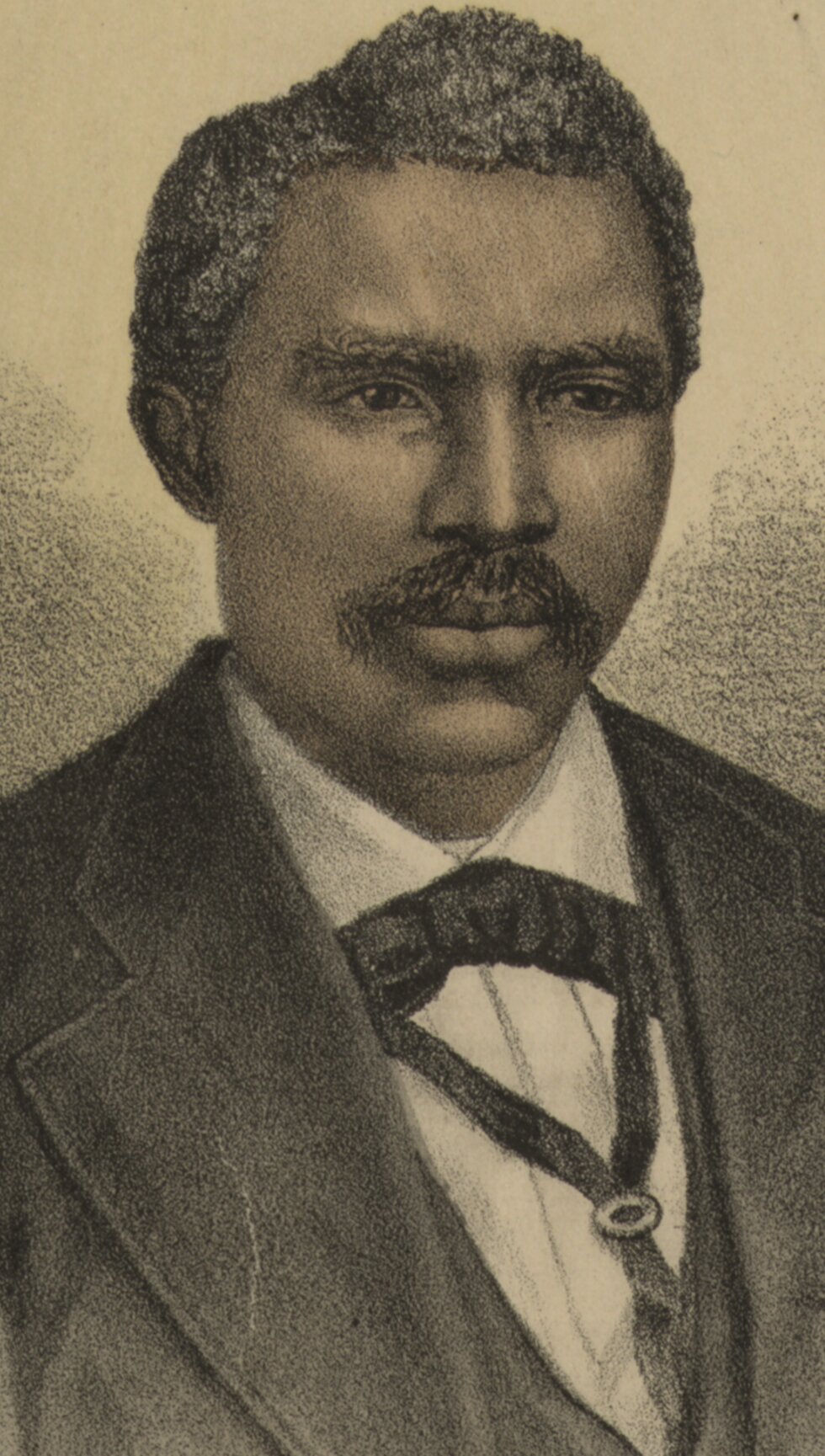
A. Muller & Co., “Robert Elliott Brown” (Illustration, New York, [c.1883]), detail, Prints and Photographs Division, PGA - Muller--Distinguished colored men (D size) [P&P], Library of Congress, Washington, United States. No known restrictions on publication. Robert Brown Elliot, Representative from South Carolina, was a member of the cohort of African American representatives to U.S. Congress during the Reconstruction era. Prior to the white supremacist backlash and the subsequent disenfranchisement of Black voters, Elliot was one of sixteen Black Congressmen, who joined the ranks of over 600 Black men elected to state legislatures, and countless more elected to local offices in the South. Congress would not see so many Black Representatives and Senators from the US South again until the end of the twentieth century.
It is unclear where Elliott was and what he did throughout the turbulent years of the US Civil War, but by 1867 he had traveled to South Carolina, where he was admitted to the bar, published a paper with Richard H. Cain, and was elected to Congress several years later (Lamson 1973, 21, 23; Russell 1984, 44). And, in 1874, while living under the same roof as William Ivens and Brougham, Elliott rose to national fame for a speech he gave on the House floor in support of legislation that would secure federal civil rights for Black Americans – a direct rebuttal to a speech made only a day earlier by former Confederate Vice President Alexander H. Stephens. With a journey that paralleled the Craft children’s in many ways, it is unsurprising but nonetheless exciting to see Elliott and William Ivens – ten years apart in age – rooming together in Washington, DC, in 1874.
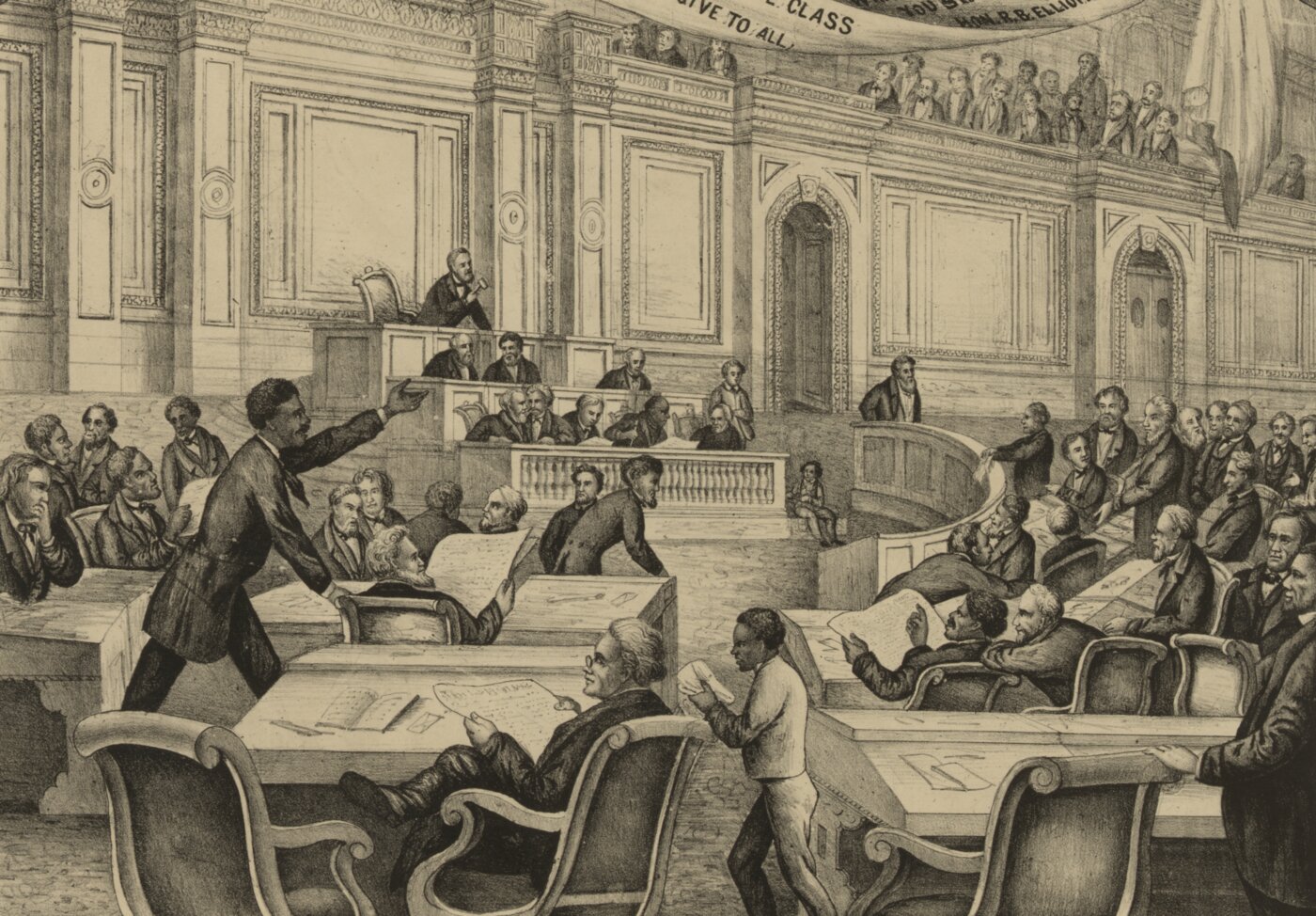
E. Sachse & Co, “The Shackle Broken - by the Genius of Freedom” (Illustration, Baltimore, MD, [c.1874]), detail, Library of Congress Prints and Photographs Division Washington, D.C. 20540 USA. PGA - Sachse (E.) & Co.--Shackle broken [...] (D size) [P&P], Library of Congress, Washington, United States. No known restrictions on publication. This illustration depicts Robert B. Elliott delivering his impassioned rebuttal to the former Confederacy's Vice President, Alexander H. Stephens. This imagery, of a free Black man serving as representaive from the former slave and Confederate state of South Carolina debating the former Vice President of a nation built on racialized slavery, encapsulates both the promise and defeat bound up in the events of the turbulent Reconstruction era. African American men and women fought for and gained political power in unprecedented ways while others in the Union sought reconciliation over all else and restored rebels and Confederates to their previous positions in government.
In Washington, the Craft brothers lived and no doubt socialized with some of the most prominent members of this new elite Black political class, who likely influenced the young Craft men by sharpening their ambition for political and economic success. In his time as a government employee, William Ivens managed to save some money and opened two accounts at the Washington, D.C., branch of the newly established Freedmen’s Savings Bank (“Freedman’s Bank Records” 1874a; 1874b; “Boyd’s Directory” 1874, 148). Historian Justene Hill Edwards has noted that the Bank “became a proxy for the federal government's commitment to the ideals of the Civil War,” meaning it was committed to “the twin engines of capitalism and democracy” (Edwards 2024, 4-5).
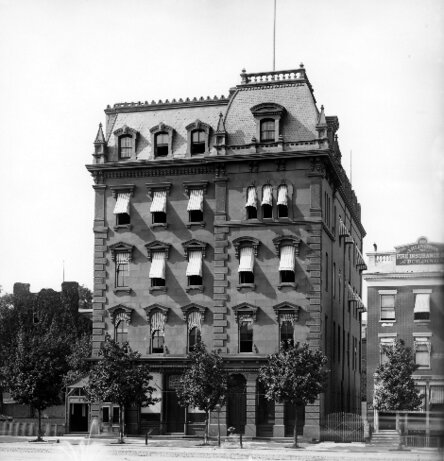
Anonymous, “Freedman’s Savings Bank” (Photograph, [1890]), Wikimedia Commons. Public domain. William Ivens was just one of the many African Americans who put their trust and capital in a federal institution, only to be robbed of both.

Yet whatever money the brothers might have saved was quickly lost to white greed and recklessness. The Freedmen’s Savings Bank, ostensibly secured by congressional oversight, failed late in 1874 due to unrestrained railroad speculation perpetrated by its white trustees (Baradaran 2017, 25-31). The results for the Craft brothers and thousands of African Americans were disastrous. “Not even ten additional years of slavery,” wrote W. E. B. Du Bois, “could have done as much to throttle the thrift of the freedmen as the mismanagement and bankruptcy of the savings bank” (Du Bois 1910, 363). Importantly, it was not just newly freedpeople who lost wealth, but subsequent generations, too. Historian Justene Hill Edwards (2024, 9) makes clear that this theft represented another form of white violence that marked the African American experience in the second half of the nineteenth century.
The ordeal also likely contributed to William Ivens’ disillusionment with the United States. By late 1873 or 1874, Brougham decided his best course was to join his family down in Georgia (Blackett 1986, 127). And it was then that William Ivens’ path, possibly for the first time, diverged from that of his younger brother.