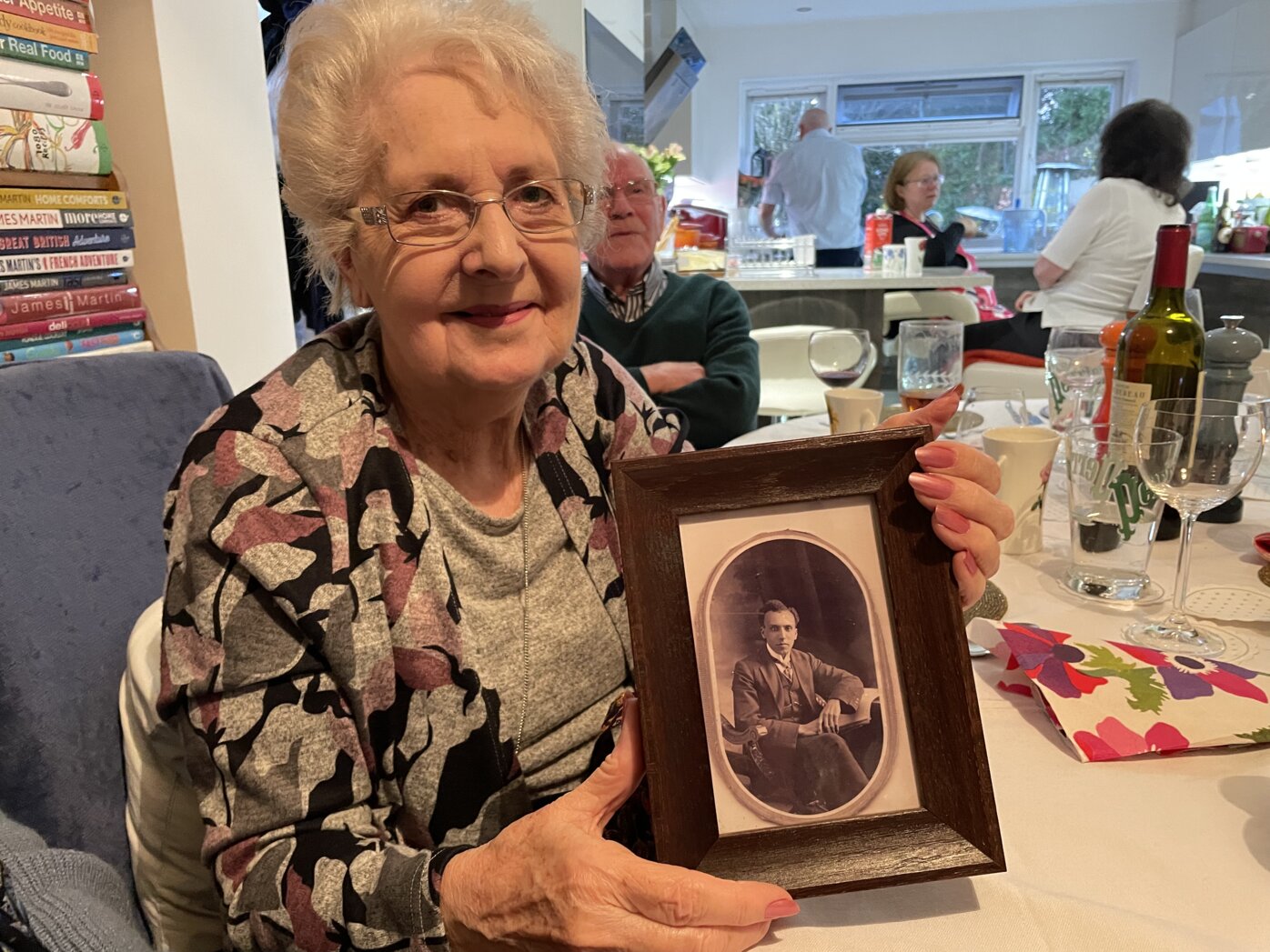
Introduction
What William Ivens may have lacked in pecuniary riches, he made up for in family and love. And William Ivens’ descendants still carry on this legacy of family today. Despite historians’ tendency to claim that certain history or knowledge has been lost, the Craft story has always lived on – and will always live on – in William and Ellen’s descendants.
A Wealth of Family
While William Ivens may have lived his last years without much money, he created for himself a life rich in family, despite the fact that his siblings all settled across the Atlantic. The love and care felt in the home at 31 Vicarage Farm Road is apparent in the letter Nellie Clark, William Ivens’ eldest daughter, wrote to her uncle, Charles Craft, after William Ivens’ passing. She noted that she was “going to have a wreath made for Dad in Holly for Xmas [sic]. It was very sudden was it not? [B]ut I must take it the right way. Dad never suffered.” Nellie went on to describe William Ivens’ final day, which he spent, unsurprisingly but nonetheless poetically, doting on his dear children:
I asked him the night before, not to touch a big saucepan on the gas stove and he got up early and put it on the ground. [...] He brought us all up a cup of tea in bed, and I said what did you want to do that Dad for, and he said [‘]I can sleep all day and long, and you can’t,[’] as I have to work my hand [...] my hand worried him a lot (Clark 1926).
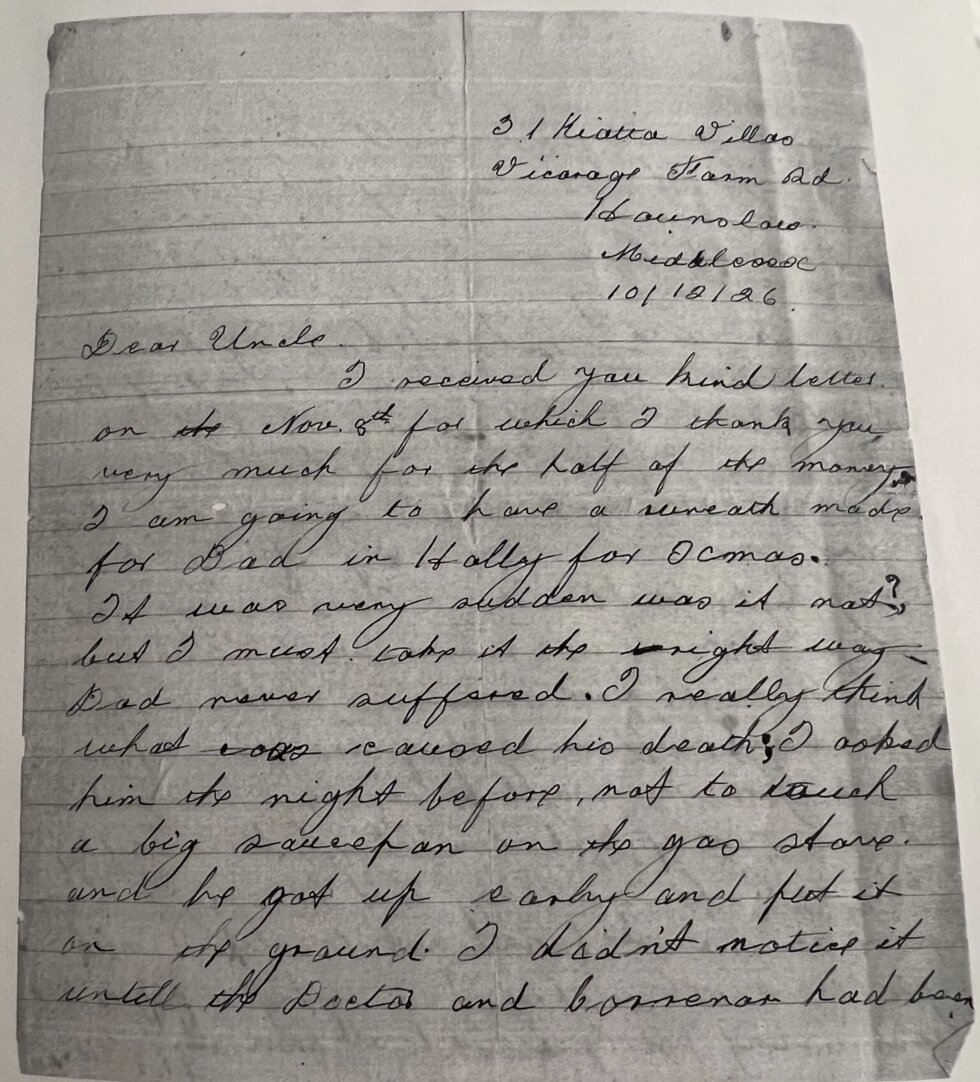
Ellen Louisa Craft, “Letter from Nellie Craft Clark to Charles Craft” (Manuscript, 10 December 1926), Julia-Ellen Craft Davis Private Collection, United States. Creative Commons Attribution 4.0 International. Nellie wrote to her uncle, Charles Craft, about the unexpected death of her father, William Ivens Craft. Nellie described William Ivens' final day on earth to Charles.
This legacy – of the importance of family – is something that William Ivens’ descendants still continue today. The great-grandchildren of William Ivens gather every few months to hear newly uncovered family tales, debate family lore, and share photographs, stories, and unanswered questions. It is through their curiosity and thorough research that the Crafts’ story lives on in England.
Family Historians
Despite historians’ tendency to claim that history or knowledge has been lost (sometimes to serve assertions of “rediscovery”), the Craft story has always lived on in William and Ellen’s descendants. In England, Craft family history was relegated underground for a spell in the twentieth century, since having Black ancestors was perceived as a mark of shame. In post-World War II London, explains Martin Copeland, the family lived in an area that was “99.9 percent white,” and they did not talk about their Black ancestry (Copeland and Copeland 2021).
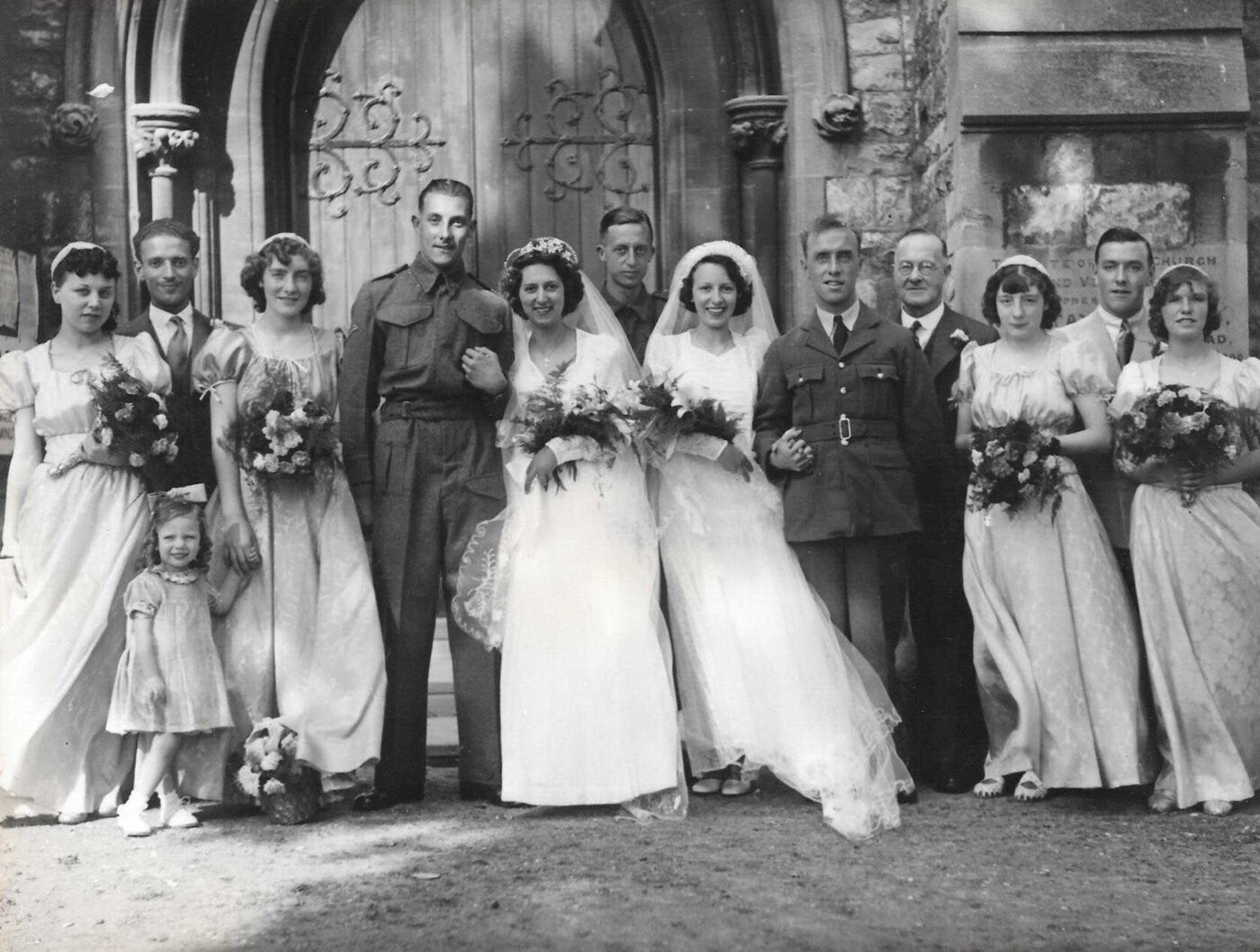
Anonymous, “Hilda and Caroline Clark Double Wedding” (Photograph, London, 31 August 1940), Martin Copeland Private Collection, United Kingdom. Creative Commons Attribution 4.0 International. Sisters Caroline and Hilda Clark, two of William Ivens' granddaughters, had a double wedding in 1940 during the Second World War.
Moreover, this genealogical amnesia may have also been purposeful, an attempt to protect the family during a time of anti-Black sentiment in England. Chris Clark guesses that his grandparents “conspired to ‘lose’ the family history of the fugitive slaves,” and “to erase it from the collective memory as far as possible.” He adds: “I must say that they were remarkably successful in this” (Clark 2023a; Clark 2024). And yet, Julia-Ellen Craft Davis, a great-granddaughter of William Ivens’ brother Charles, reminds us to be thankful that the effort “to hide the family’s ancestry in England was not completely successful” (Davis 2023).
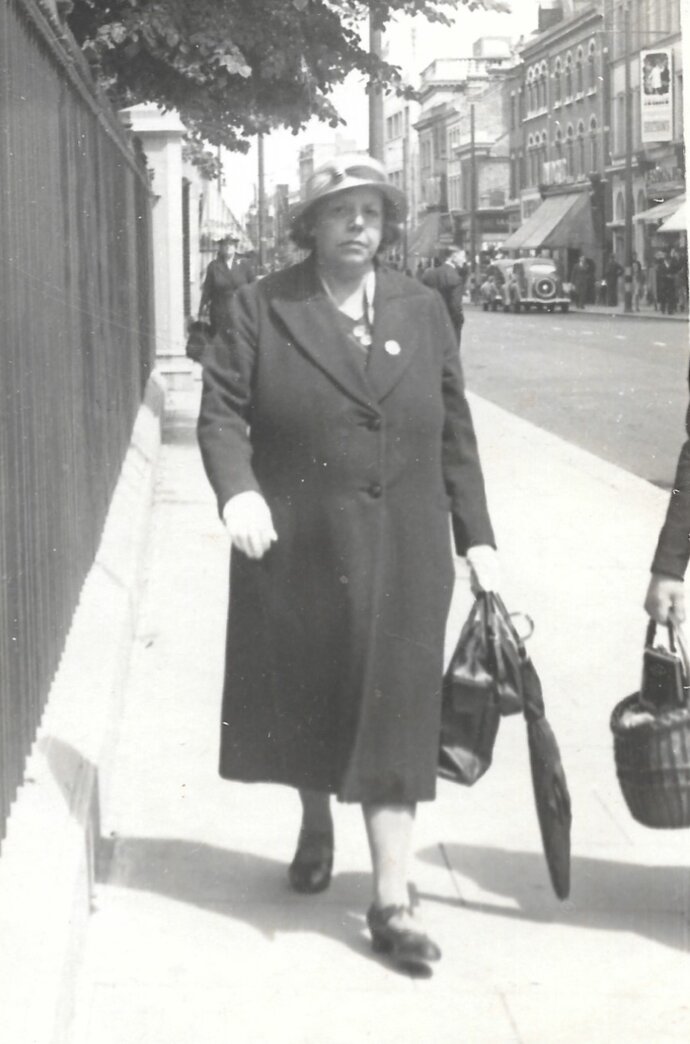
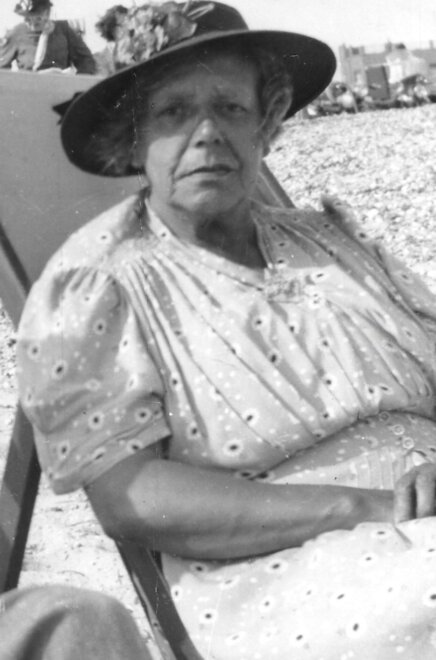
(Left) Anonymous, “Ellen Louisa Craft Clark” (Photograph, [c.1920-1952]), Martin Copeland Private Collection. Creative Commons Attribution 4.0 International. (Right) Anonymous, “Ellen Louisa Craft Clark” (Photograph, [c.1920-1952]), Martin Copeland Private Collection. Creative Commons Attribution 4.0 International. Ellen (Nellie) Craft Clark later in her life, as her grandchildren (Chris Clark and Martin Copeland, William Ivens’ great-grandchildren) remember her.
What Martin Copeland does remember from his childhood, however, was that they lived three generations to a home. A boy of only four when his grandmother, Nellie Clark, passed, Martin regrets that he did not get the chance to hear more of her stories – a kind of regret that only hindsight produces (Copeland and Copeland 2021).
Re-Remembering Craft Family History
England certainly remembers the famous abolitionists William and Ellen Craft, even if the life of their son has been difficult to trace. In May of 1997, the new offices of the Shepherds Bush Housing Association were named after William and Ellen Craft. To commemorate the occasion, members of families from both sides of the Atlantic came together to visit the Crafts’ old residence in Hammersmith (Hughes and Farrell 1997).
Around the same time, while at a conference at Horsley Towers, Eileen Copeland noticed some information regarding Ada Lovelace, the Countess who lived at Ockham Park, whom she recalled had been a benefactor of the Crafts. With her interest piqued, Eileen – together with Martin’s sister and his mother, Hilda Clark (daughter of Nellie) – began piecing together the parts of the story that had fallen from memory in the mid-twentieth century.
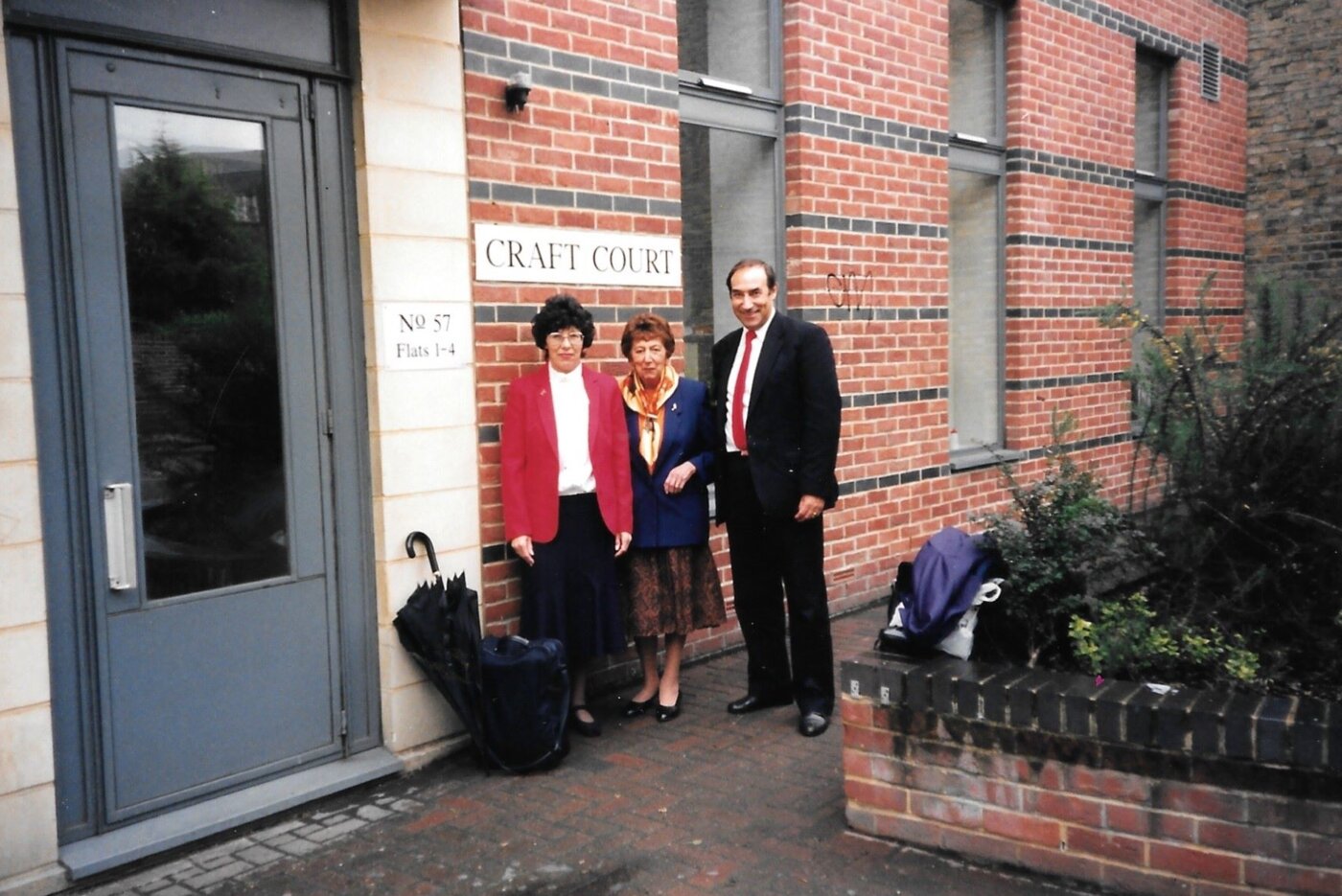
Anonymous, “Martin Copeland, Elaine Copeland, and Hilda Clark” (Photograph, [c.1960-2010]), Martin Copeland Private Collection. Creative Commons Attribution 4.0 International. William Ivens’ descendants explore their family’s legacy, standing in front of the Shepherds Bush Housing Association that carries the family’s name, circa 1997. From left: Elaine Copeland, Hilda Clark (daughter of Nellie and Claude, granddaughter of William Ivens), and Martin Copeland.
Eileen recalls encountering archivists and historians who had learned about William and Ellen Craft, but never knew of any British Craft descendants (Copeland and Copeland 2021). In the words of historian Jeffrey Green, “[d]escendants of African Americans in Britain have been largely unnoticed in studies of Victorian life” (Green 2018, 27). William Ivens Craft’s family seeks to change that.
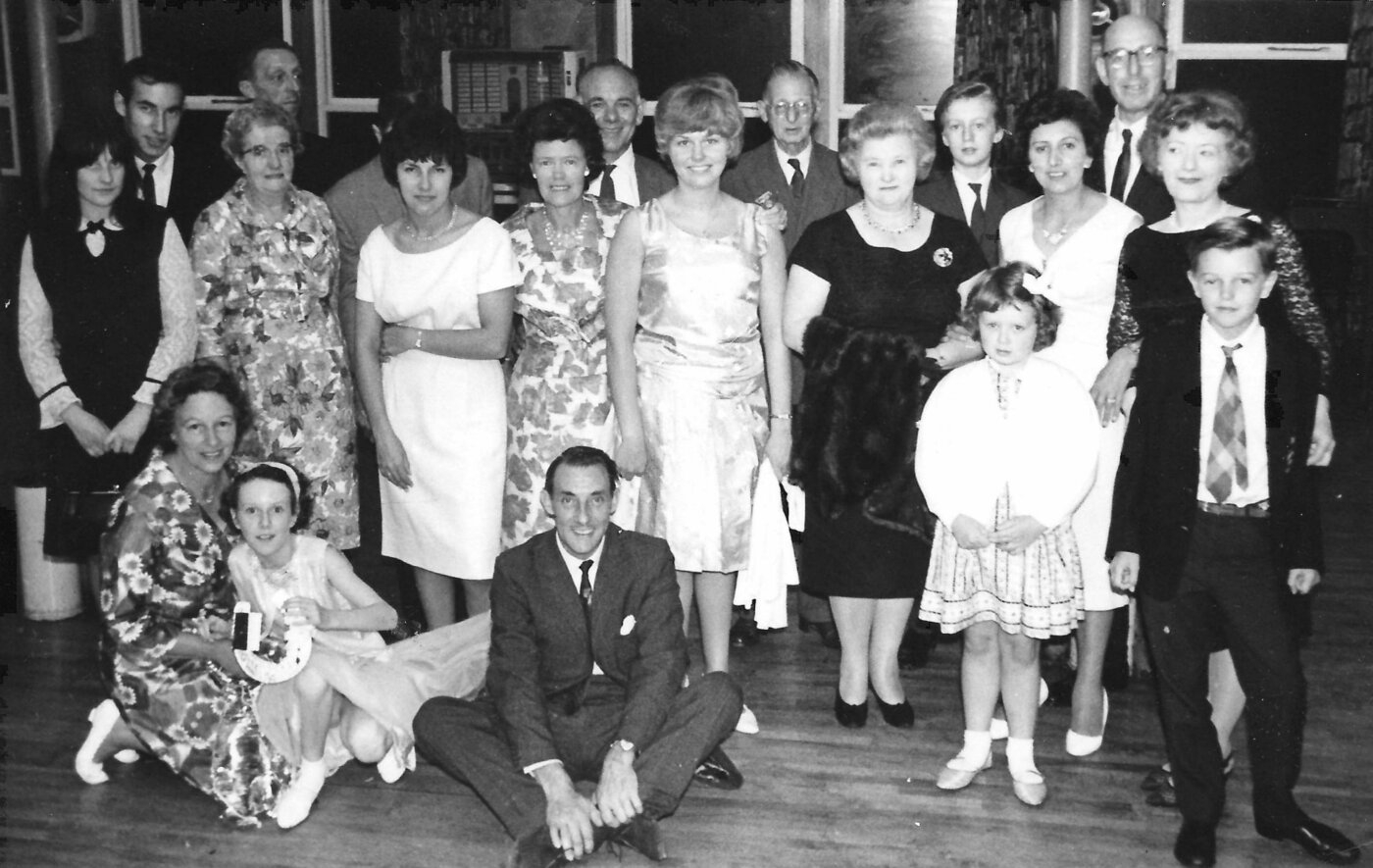
Anonymous, “Silver Wedding Anniversary” (Photograph, England, [c.1965]), Martin Copeland Private Collection. Creative Commons Attribution 4.0 International. Two and a half decades after their double wedding, the Clark sisters celebrated their silver wedding anniversary. The trail of family photos reveals the overlapping generations: Martin Copeland, William Ivens' great-grandson (leftmost in the top row) attended the party with William Ivens' grandchildren, who lived with the old man when they were children.
And the British heirs of the Craft lineage are making their presence known, as the family has begun to appear in new ways in England’s commemorative landscape. In 2018, the village of Ockham unveiled a new sign commemorating the tenure of William and Ellen. Chris Clark attended the event. “I like to think that if people are thought of and spoken about,” Clark told a reporter, “they still in some respects live amongst us” (McKeon 2018).
Remembering the family history also changes how the Craft descendants view their own history and the world around them. Chris Clark, after realizing that his great-grandfather had lived on Vicarage Farm Road, remembers that “in my years as a pupil at grammar school I used to pass the house in Vicarage Farm Road… twice a day on the bus, little suspecting the lost family history within.” Hinting at the difficulties that the family faced, Clark recalls that, “Neither my father [Nellie’s firstborn, William] nor his sisters found this period a subject for reminiscing” (Clark 2021).
Marking Craft Family History in the English Landscape
In 2021, the charity English Heritage placed a blue plaque on the Craft family’s Hammersmith home. It was a transatlantic affair, as descendants gathered for the plaque’s dedication. As her great-grandfather, Charles Craft, had done nearly one hundred years prior, Julia-Ellen Craft Davis traveled from Charleston, South Carolina, to London for the occasion. Julia-Ellen continues to publicly recount the experiences of William and Ellen Craft and she is actively seeking answers to the questions that still linger nearly two hundred years after her ancestors’ famed escape (Ramati 2015). “It’s like being a detective,” says Julia-Ellen. On her search for the details surrounding where exactly Ellen Craft is buried, she says, “I’m not going to give up” (Habersham 2015).
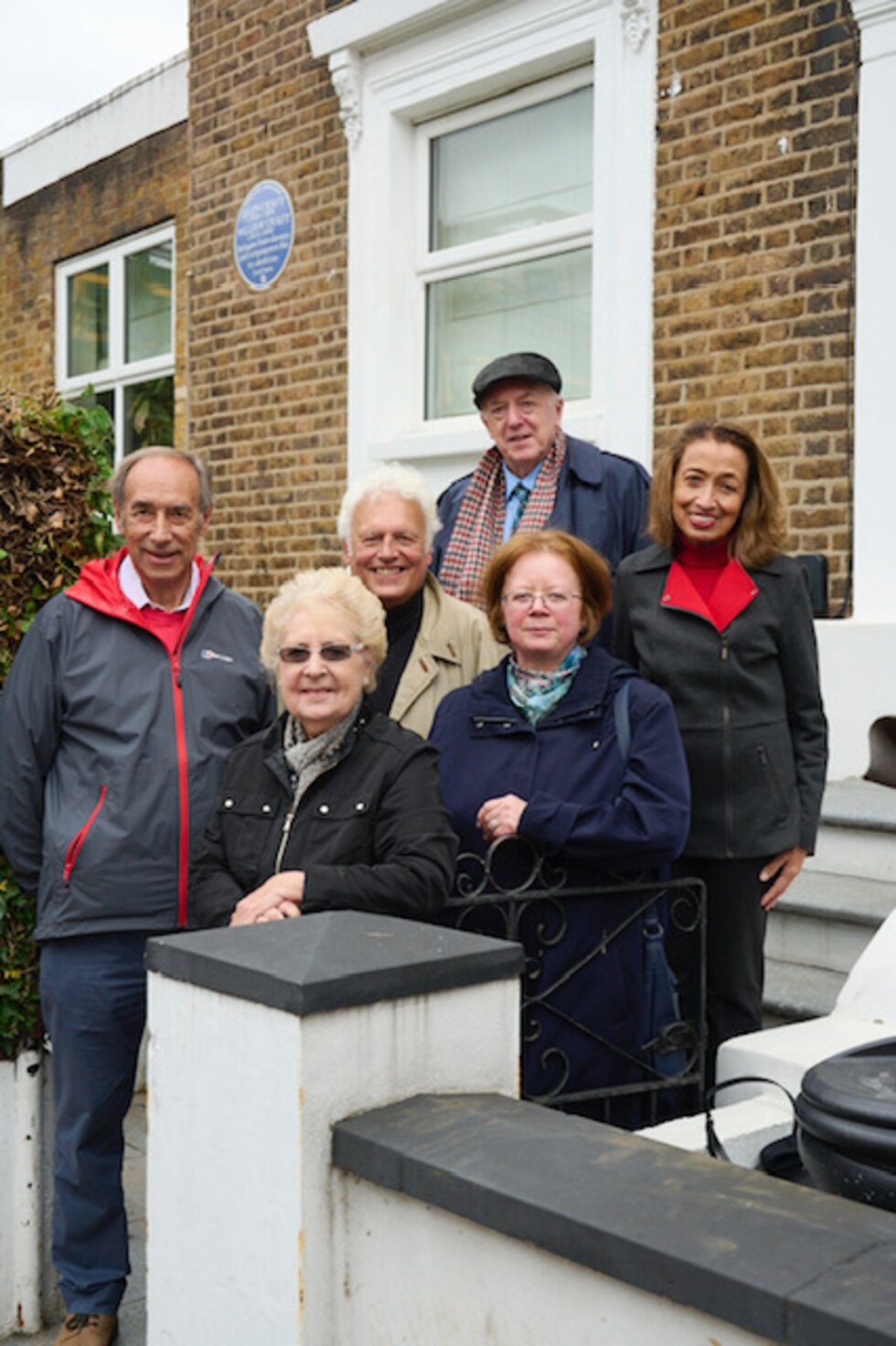
Anonymous, “Craft Great-Great-Grandchildren” (Photograph, 30 September 2021), Julia-Ellen Craft Davis Private Collection, United States. Creative Commons Attribution 4.0 International. Some of the great-great-grandchildren of William and Ellen Craft, from both sides of the Atlantic, stand together on the steps of the Crafts' Hammersmith home nearly 200 years after the couple raised their new family there. Top row: Chris Clark. Second row: Martin Copeland, David Grover, Julia-Ellen Davis. Bottom row: Elizabeth Moxey, Fay Lock.
“The Craft’s surest legacy lived on in their children – the imagined progeny for whom the couple risked all,” writes author Ilyon Woo, “and the poetic justice they achieved, as they exercised their own mobility and played out variations of Ellen and William’s dreams” (Woo 2023, 333). In Hammersmith, on the steps of the home where their great-great-grandparents, Ellen and William Craft, resided over 150 years ago, Julia-Ellen smiles with Martin Copeland, Chris Clark, David Grover, Elizabeth Moxey, and Fay Lock for a photo.
Thus it becomes that much more important to understand the consequence of family – not just for tracing Black Britons in the past, but for remembering them through family histories in the present. This act of recovery dovetails with what scholar Kathleen Chater terms “revealing the Black British presence,” which requires collaboration between academics, genealogists, and local and family historians (Chater 2020). As Eileen Copeland observes, William Ivens Craft did what he had to do to survive. And essential to that was keeping the family together (Copeland and Copeland 2022).
That the Craft family diaspora has kept in touch across centuries, nations, and oceans is no small feat, but is also not just happenstance. Rather, it speaks to the centrality of family, community, and belonging to the Craft story. William Ivens Craft lived a life circumscribed, though not defined, by race and poverty. As he wrote in 1881, “I [...] am striving to do the best I can” (Craft 1881a). Ultimately, William Ivens created for himself a home, a life, and, most importantly, a family – despite the setbacks.